In a world built around smartphones, apps, and high-speed data, it’s easy to overlook how fragile that convenience really is. When the power fails, towers go dark, or networks overload, many modern tools go silent. The humble Citizens Band (CB) radio, however, keeps doing exactly what it was designed to do—provide simple, local, voice communication with no subscription, no cell network, and no Wi-Fi required. In the middle of a bad day, that “old-school” radio can quickly turn into a lifesaving resource.
When the Grid Goes Silent
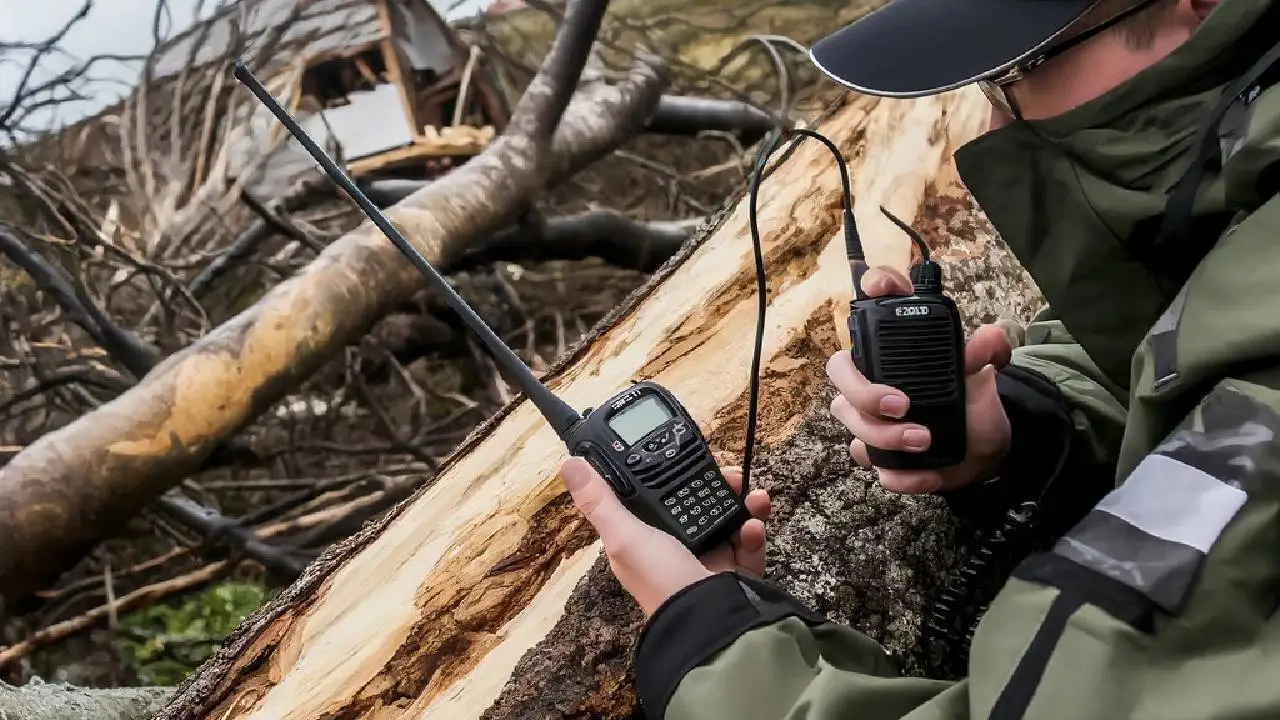
Picture this: a major storm, wildfire, or ice event takes down power and cell towers across your area. Texts won’t send, data won’t load, and your phone is basically a flashlight with a camera. A properly installed CB radio, running from a car battery, deep-cycle battery, or backup power supply, can still reach other operators a few miles away—or farther under good conditions. In many real-world disasters, CB operators have passed along road closures, weather updates, and requests for help long after other systems went offline.
The Community Watch of the Airwaves
CB radio users—often called “CBers”—naturally form a loose neighborhood watch over the airwaves. Truck drivers on the highway, off-road groups, and local base stations routinely keep an ear on common channels. In an emergency, those same people can relay distress calls, pass information between stranded motorists, or help guide first responders to the right area. While CB is not a replacement for 911, it can act as a valuable bridge when official systems are overloaded, delayed, or temporarily unavailable.
DIY to the Rescue
Part of CB radio’s appeal is how approachable it is for tinkerers and preppers. With basic tools, you can build or tune antennas, set up a small base station at home, or mount a compact radio in your vehicle specifically for emergency use. Simple upgrades—like a better antenna, clean power wiring, or a small solar charger feeding a battery—can dramatically increase your reliability when the grid is down. Every improvement you make today is one less problem to solve when conditions are at their worst.
A Call to Arms (and Antennas!)
You don’t have to wait for a disaster to get value from a CB. Getting on the air now lets you learn how your equipment behaves, how far you can reach, and who’s typically listening in your area. It also helps you practice the basic radio etiquette and clear communication that really matter when things get hectic. By joining the existing CB community, you’re opting into a culture of mutual aid—people helping strangers simply because they heard someone who needed a hand.
So whether you’re an over-the-road trucker, a weekend overlander, or someone just starting to build a household emergency plan, adding CB to your toolkit is a smart move. Dust off that old rig, check your coax and antenna, and make sure it’s wired to a reliable power source. When the lights go out and the bars disappear, a working CB isn’t just a curiosity—it’s a direct voice link to other people who are riding out the same situation you are.
Frequently Asked Questions
Can a CB radio work when cell towers are down?
Yes. CB radio operates on the 27 MHz Citizens Band and requires no cellular infrastructure, internet connection, or repeater network. As long as your radio has power — from a vehicle, battery pack, or solar setup — and your antenna is connected, you can communicate with other CB users in the area even when all cell towers are completely offline.
Which CB channel should I monitor during an emergency?
Channel 9 is the FCC-designated emergency channel for CB radio and is monitored by many volunteer groups, REACT teams, and truckers specifically for distress calls. Channel 19 is the unofficial national highway channel used by truckers for road conditions and general traffic updates. During a regional emergency, local CB users often settle on Channel 9 or a locally agreed-upon channel for coordination.
How far can a CB radio reach during a disaster?
Under typical conditions a mobile CB with a quarter-wave antenna reaches 3–5 miles. A base station with a full-wave vertical antenna can extend that to 10–15 miles or more on flat terrain. During ionospheric disturbances — which can accompany severe weather — skip propagation may carry your signal hundreds of miles, though this is unpredictable and not reliable for local coordination.
Do I need a license to use a CB radio in an emergency?
No license is required to operate a CB radio in the United States. The FCC eliminated the CB license requirement in 1983. You are still required to use FCC-type-accepted equipment, stay within the 40 legal channels, and keep transmit power at or below 4 watts AM (12 watts SSB). In a genuine emergency, FCC rules allow reasonable latitude for distress communications.
What is the best CB radio setup for emergency preparedness?
A versatile emergency CB kit includes a mobile radio (such as the Cobra 29 LTD or Uniden BEARCAT 980) mounted in your vehicle or connected to a deep-cycle battery at home, a magnet-mount or base antenna with low SWR, and a small solar panel or battery maintainer to keep your power source topped off. Adding a handheld CB gives you a portable backup you can carry on foot.
Is CB radio useful for neighborhood emergency coordination?
Very. CB requires no licensing or training, the radios are inexpensive, and a small group of neighbors monitoring the same channel can share storm damage reports, locate missing people, and pass requests for help. Pre-arranging a primary and backup channel and doing a quick weekly radio check keeps the network ready when an actual emergency hits.
Final Thoughts
Has CB radio already earned a place in your emergency preparedness plan? If so, how are you using it — vehicle only, home base station, or both? Share your stories, recommended channels, and gear tips in the comments below. The more we compare setups and real-world experiences, the better prepared all of us will be when the next storm, outage, or unexpected event hits and the airwaves become our shared safety net.